
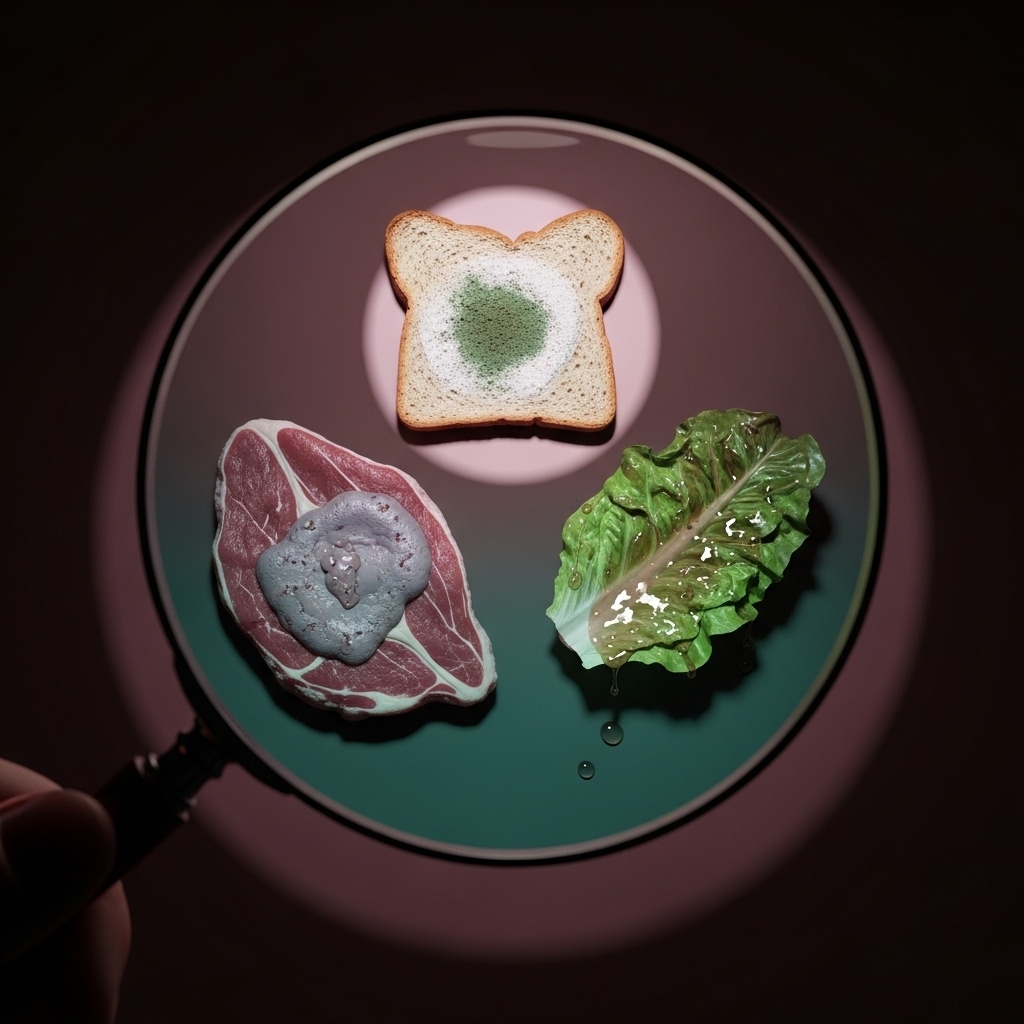
Have you ever wondered if that leftover chicken or old bag of spinach in your fridge is still safe to eat? It can be hard to tell just by looking, and mistakes can lead to spoiled meals—or worse, foodborne illness.

Knowing the visual signs of food spoilage can help you make the right decisions. This Store Safe guide breaks it all down in simple steps so you can protect your family with confidence.

The Most Important Rule: What You Can't See Can Hurt You

When it comes to food safety, here’s the first thing you should know: the most dangerous bacteria are invisible. Harmful germs like Salmonella, Listeria, and E. coli don’t leave warning signs.

You can’t see, smell, or taste them, but eating contaminated food can make you or your family very sick. Each year, millions of people fall ill because of foodborne bacteria.

The safest path is to always store and prepare your food properly. While this guide focuses on visual signs of food spoilage, remember this golden rule to protect your family’s health: When in doubt, throw it out.

Type 1: Microbial Spoilage (The Most Common Threat)

Microbial spoilage happens when bacteria, mold, or yeast grow on food. They break it down, changing its look, smell, texture, or taste. This type of spoilage is easy to notice because it often comes with clear warning signs, like slime or mold. Here’s how to spot it:

Signs of Spoilage in Meat

When meat goes bad, bacteria can make it slimy or sticky. The surface may also change color, turning gray, green, or even brown. If the meat smells sour or rotten, it’s unsafe to eat—throw it away immediately.

Spotting Bad Dairy Products

In dairy products like milk or yogurt, spoilage shows up as clumps or separation—they just don’t look smooth anymore. Cheese may have fuzzy mold growing on it. If the dairy smells bad or looks suspicious, it’s time to toss it.

When Produce Is No Longer Safe

Fresh fruits and veggies should feel firm. If greens like spinach or lettuce are slimy or mushy, they’ve gone bad. Moldy spots on fruits or vegetables, or soft, wet areas, mean it’s no longer safe to eat.

Fuzzy Growth and Discoloration

When mold grows on food, it looks fuzzy or spotty and often appears in colors like green, white, or blue. You might see mold on breads, fruits, or leftovers in containers. Mold can spread deep into food without you knowing, so discard the whole item if mold is present.

Principle #2: Remove Moisture (Drying and Dehydrating)

Microbes need water to survive, so removing moisture effectively prevents spoilage.

Traditional and Modern Dehydration

Sun-drying is an ancient method still used for fruits and herbs. Modern food dehydrators allow precise moisture removal while preserving texture and flavor.

They’re ideal for snacks like apple slices, beef jerky, or even pesto powder [3]. You can try oven-drying thin orange slices as an easy entry point for modern dehydration.

Type 2: Chemical Spoilage (Changes in Composition)

Food also spoils because of natural chemical reactions. Air, light, or enzymes can change the food’s texture, color, and flavor over time. This makes it look or taste different, even though it might still appear safe at first.

Discoloration in Meats and Produce

When meat turns gray or when cut fruits like apples and bananas turn brown, it’s usually because of oxidation. This happens when air reacts with the surface of the food. This isn’t always dangerous, but it’s a sign the food may be losing quality.

Identifying Rancid Fats and Oils

Oils and fats can go bad when they are exposed to too much air. Rancid oils will smell sharp or sour, and nutty foods like almonds or walnuts might taste bitter. While rancid fats don’t usually make you sick, they are unpleasant to eat.

Understanding Food Textures

Spoiled food often feels different. For example, ice cream that has thawed and refrozen may feel gritty, not smooth. Fruits or veggies might turn mushy or soft instead of firm. These changes are caused by natural chemical breakdowns in the food.

Type 3: Physical Spoilage (Damage and Environment)

Physical damage can also make food go bad faster. Cuts, tears, bruises, or changes caused by freezing or heat can ruin the food’s texture, taste, and safety.

Freezer Burn, Bruising, and Breaks

Freezer burn looks like dry, leathery patches on frozen food. Bruised fruit often has soft spots where bacteria can grow. If a jar, can, or vacuum-sealing loses its seal, the food inside may not be safe anymore.

The Role of Checking Expiration Dates

Expiration dates, like “best by” or “use by,” explain how long food should stay fresh. While these dates are good to follow, they’re not always exact.

Food might spoil earlier or last longer depending on how it’s stored. When food looks or smells bad, trust your senses more than the printed date.

Your Stay Safe Inspection System

Protect your family by using this Stay Safe inspection system:

If you’re ever unsure, go with the safest choice: throw it out.

Frequently Asked Questions

The visible signs of food spoilage include slime, fuzzy mold, discoloration, clumps in dairy, or soft, wet spots in produce.
The four types of food spoilage are microbial (bacteria, yeast, mold), chemical (oxidation, enzymatic changes), physical (bruising, freezer burn), and enzymatic (natural breakdown).
The two main causes of food spoilage are microorganisms (bacteria, mold, and yeast) and chemical reactions (such as oxidation).
The difference between spoilage bacteria and bad germs is that spoilage bacteria makes food look or smell bad. Harmful bacteria (like E. coli) can make you sick even if the food looks fine.
Yes, it’s okay to cut off mold from hard cheese. Remove at least 1 inch around and below the mold. Discard soft cheese with mold.
No, smelling raw chicken alone can’t tell you if it’s safe to eat. Raw chicken can be contaminated with bacteria like Salmonella, even without an odor.
A dented or bulging can might have harmful bacteria like Clostridium botulinum. Don’t eat food from damaged cans.
Yes, food with freezer burn is safe to eat, but the texture and taste may be affected. Trim the damaged areas before cooking.
The best way to know if food is bad is to use all your senses. Look for slime or mold, feel for unusual textures, and smell it. When in doubt, throw the food out.
To throw spoiled food, place it in a sealed plastic bag before discarding it. This is to prevent spreading germs.
Scroll to Top